




Blog / Chevrolet service

Why Getting an Oil Change in Amsterdam, NY Keeps Your Chevy Running Strong

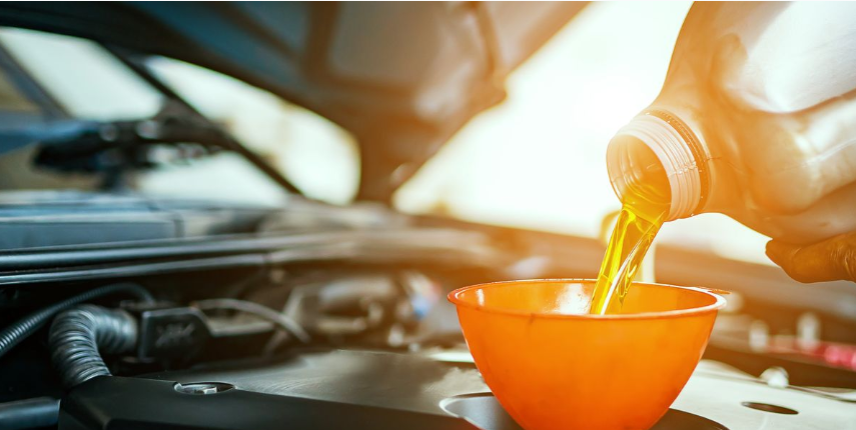
Close-up of motor oil being poured from a bottle into an orange funnel inside a car engine bay during vehicle maintenance.

Every time your engine runs, hundreds of moving metal parts are working together at high speed. Motor oil is what keeps those parts from grinding against each other, reducing friction and preventing premature wear. Without it functioning properly, your engine can overheat or suffer serious internal damage.

Understanding why oil changes are important starts with knowing how quickly oil breaks down. Over time, heat and contaminants cause the oil to lose its effectiveness, turning it from a smooth lubricant into a thick, sludgy substance that does more harm than good.

What Happens When You Skip an Oil Change

Neglecting routine oil changes is one of the most common — and costly — mistakes vehicle owners make. As oil degrades, it becomes less effective at lubricating engine components, which leads to increased friction, higher operating temperatures, and accelerated wear on critical parts.

This is exactly why oil changes are important to stay on top of, especially if you're putting a lot of miles on your Chevy each week. Skipping even one oil change can shorten the life of your engine significantly.

How Often Should You Change Your Oil

The right oil change interval depends on several factors, including your vehicle model, driving habits, and the type of oil your engine requires. Many newer Chevrolet vehicles use full synthetic oil and can go longer between changes, but that doesn't mean you should wait indefinitely.

Your Chevy's oil life monitoring system takes the guesswork out of scheduling by tracking driving conditions and alerting you when a change is due. Pay attention to that notification — it's there for a good reason.

Signs Your Vehicle May Need an Oil Change Now

You don't always have to wait for a dashboard alert to know it's time. There are a few telltale signs that your oil may need to be changed sooner rather than later. A dark, dirty appearance on the dipstick, a low oil level reading, or a rumbling or knocking sound from your engine can all point to oil that's overdue for a change.

If your check engine or oil pressure warning light comes on, don't ignore it. Schedule service as soon as possible to avoid turning a minor issue into a major repair.

Trusting Chevrolet Certified Service for Your Oil Change in Amsterdam, NY

When it comes to your oil change in Amsterdam, NY, having trained technicians handle the job matters. Chevrolet Certified Service technicians know your vehicle inside and out and use the right products designed specifically for your Chevy model.

At Mangino Chevrolet, drivers throughout the Amsterdam, New York area have access to a service team that follows manufacturer-recommended procedures to keep your vehicle performing at its best. From the correct oil type to a thorough inspection of key components, Certified Service is about more than just a quick drain and fill.

Staying current on your oil changes is one of the simplest ways to protect your investment and keep your Chevrolet on the road for years to come. No matter if you drive a Silverado, Equinox, Traverse, or any other Chevy model, routine oil changes are an important part of vehicle ownership.

Don't wait until a small issue becomes an expensive one. Visit Mangino Chevrolet and let the Certified Service team take care of your vehicle the right way. Schedule your appointment here.

Posted in:

Related Posts

Car coolant being poured into a vehicle engine coolant reservoir

How to Prepare Your Chevy for Vacation Travel and Summer Heat in Amsterdam, NY

Summer is one of the most demanding seasons for any vehicle. Rising temperatures, longer road trips, and heavier cargo loads all put extra stress on your Chevy. If you're heading out on a family vacation or just doing daily errands, staying ahead of routine Chevrolet maintenance in Amsterdam, NY can help you avoid unexpected breakdowns and keep your ride comfortable all season long. more Check Your Cooling System First One of the most important steps in any summer vehicle prep is checking the cooling system. Your Chevy's engine generates significant heat, and a properly functioning cooling system helps regulate that temperature. Make sure your coolant is at the correct level and that there are no visible leaks around hoses or connections. If you haven't had your cooling system inspected recently, now is a great time to schedule a service appointment at Mangino Chevrolet. Overheating is one of the most common summer breakdowns, and it's largely preventable with proper Chevrolet maintenance. Inspect Your Tires and Brakes Before You Travel Hot pavement puts extra wear on your tires, making a pre-trip inspection especially important. Check your tire tread depth and look for any signs of cracking or uneven wear. Don't forget to check inflation levels, since tire pressure tends to increase as temperatures rise. Your brakes also deserve attention before a road trip. Worn brake pads or soft brake feel are signs that service is overdue. Reliable stopping power is critical when you're hauling the whole family and a trunk full of luggage. Chevy summer maintenance should always include a tire rotation and brake check to keep your vehicle performing safely. Top Off Fluids and Replace Your Filters Fluids are the lifeblood of your vehicle, and summer heat can accelerate fluid breakdown. Before heading out, check your engine oil, brake fluid, power steering fluid, and windshield washer fluid. If your oil change interval is coming up soon, it's better to take care of it before your trip rather than mid-vacation. Air filters also play a big role in engine performance. A clogged air filter makes your engine work harder and can reduce efficiency. Taking a few minutes to have it inspected is a quick win before hitting the road. Test Your Air Conditioning System Nothing makes a summer road trip more miserable than a failing air conditioning system. Have your A/C checked before temperatures climb. A technician can inspect refrigerant levels, look for leaks, and ensure the system is blowing cold air efficiently. This step is especially worthwhile if you're driving a Chevy Equinox or any Chevy SUV packed with passengers. Everyone stays cooler and more comfortable when the cabin temperature is well controlled. Chevy summer maintenance wouldn't be complete without confirming your A/C is ready for the season. Check Your Battery and Electrical System Extreme heat is actually harder on car batteries than cold weather. High temperatures can shorten battery life and lead to unexpected failures. If your battery is three or more years old, have it tested to see where it stands. Also look at your lighting, charging ports, and any tech features you plan to rely on during travel. Visit Your Local Chevy Service Center Before You Hit the Road Getting ready for summer travel doesn't have to be complicated. Drivers near Albany, NY can visit Mangino Chevrolet to schedule a comprehensive pre-trip inspection. A certified technician can review all the items above and catch anything you may have missed. The 2026 Chevrolet Equinox and other Chevy models are built with durability and family road trips in mind. Keep yours running at its best by prioritizing routine Chevrolet maintenance this summer - so you can focus on making memories rather than managing roadside headaches.

Passengers enjoying a sunny drive in a convertible SUV with the top down, smiling and looking back at the camera with sunlight streaming into the cabin.

Summer Road Trip Tips for Chevrolet Drivers

Summer is here, and that means it's time to load up the cooler, plan your route, and hit the open road. So, if you're cruising in a Silverado, a Traverse, or an Equinox, knowing the right summer road trip tips for Chevrolet drivers can make the difference between a smooth adventure and an unexpected headache. Drivers in Amsterdam, New York, know that warm-weather travel comes with its own set of considerations — and a little preparation goes a long way. more Check Your Fluids Before You Leave One of the most important summer road trip tips for Chevrolet drivers is to start with the basics: your fluids. Engine coolant is especially critical during summer months, as higher temperatures put extra strain on your vehicle's cooling system. Before you pull out of the driveway, check your coolant level, engine oil, brake fluid, and windshield washer fluid. Knowing how to prepare your Chevy for a summer road trip begins under the hood. If your oil is due for a change soon, go ahead and take care of it before your trip rather than during it. A well-lubricated engine handles heat much better, and you'll have peace of mind from mile one. Inspect Your Tires for a Safer Summer Drive Tires are your vehicle's only contact with the road, and summer heat can affect both tire pressure and tread performance. As temperatures rise, tire pressure can fluctuate, so checking your tire pressure before a long drive is always a smart move. Refer to your owner's manual or the sticker inside your driver's door for the correct pressure. Also, take a close look at your tread depth and the overall condition of each tire, including your spare. If you notice uneven wear, cracking, or low tread, it's worth addressing those issues before your road trip begins. Test Your Brakes and Battery Heat is hard on car batteries, and summer is one of the most common times for battery failure. If your Chevy's battery is three years old or older, have it tested before your trip. A quick check at your local Chevrolet Certified Service center can tell you whether your battery is holding a strong charge or nearing the end of its life. Your brakes deserve equal attention. If you hear any squealing or grinding, or if the brake pedal feels soft, schedule a brake inspection before you go. Pack Smart and Use Your Chevy's Features Most Chevrolet vehicles are designed with road trips in mind. Features like available Super Cruise® technology on select models offer hands-free driving capability on compatible highways, making long stretches of driving more manageable. The MyChevrolet App also lets you monitor vehicle health, check tire pressure remotely, and access roadside assistance if you ever need it. If you're driving a larger vehicle like the Tahoe or Suburban, take advantage of the cargo space and plan your packing accordingly. Distribute weight evenly and avoid overloading the roof if you're using a carrier. Stay Connected and Plan for the Unexpected One of the best summer road trip tips for Chevrolet drivers is to make sure you're prepared for the unexpected. That means having a roadside emergency kit, keeping your phone charged, and knowing how to access OnStar if you run into trouble. OnStar can connect you with emergency services, provide turn-by-turn navigation assistance, and even help locate a nearby service center. Planning your route in advance and sharing it with someone you trust is also wise. Check the weather along your planned path and build in extra travel time if heat or storms are in the forecast. See Mangino Chevrolet for All Your Summer Maintenance Needs A great summer road trip starts with a prepared vehicle and a thoughtful plan. By following these summer road trip tips for Chevrolet drivers — from fluid checks and tire inspections to leveraging your Chevy's built-in technology — you can focus on enjoying the journey rather than worrying about what might go wrong. Drivers throughout Amsterdam, New York, have access to Mangino Chevrolet’s Chevrolet Certified Service center to help get their vehicle road-trip ready. Stop in, get your Chevy checked out, and make this summer's adventure one to remember.

Auto technician wearing safety gloves and glasses inspecting a vehicle engine under an open hood inside a service garage.

Three Reasons to Schedule a Chevy Tune-Up Before Winter

A tune-up is a type of maintenance that improves your Chevy's performance and protects it against potential problems. As your Chevy dealership, we want to tell you about some of the reasons why you should get one before winter arrives. more 3 Reasons You Should Get a Tune-Up at Your Chevy Dealership Before Winter Prevent a Dead Battery Low temperatures greatly reduce battery performance. Below 0°F, a battery can lose 30 to 35% of its capacity, and if your battery is more than three years old, it can weaken even further. Your engine also takes longer to start in winter, and this extra effort can cause a relatively new battery to weaken, or an older battery to fail. Our technicians will test your battery using our computerized battery tester. This device subjects the battery to the same demands needed to start the engine. A healthy battery has a voltage of 12.6V, and during the test, it should show a voltage of at least 9.6V. If the tester reading shows less than this, your battery is failing. We'll replace your old battery to prevent you from being stranded on the road waiting for a tow or jump-start. Protect Your Engine It may be cold outside, but combustion and the movement of countless parts continue to generate large amounts of heat inside the engine. This heat can damage sensitive engine components like gaskets and seals, so it must be removed ASAP. Coolant is a mixture of antifreeze and water, and it's able to absorb heat and transport it to the radiator for removal through heat exchange. As coolant ages, it becomes less efficient at removing heat. This causes the engine temperature to rise and can result in major damage even during winter. Older coolant can also become corrosive and damage the radiator, water pump, and other components. We'll test the coolant and replace it if necessary to ensure your engine continues to work efficiently. Maintain Good Traction Deep tread is vital for safe driving as it allows the tires to grip the road surface securely. This is even more important during winter, as snow and ice make it challenging for tires to get good traction, and your Chevy could skid. We'll examine your tires and recommend replacing any that have worn or damaged tread. For extra safety, it's advisable to replace your all-season tires with snow tires. All-season tires can become inflexible at low temperatures, which also reduces traction. Snow tires, on the other hand, are made from softer rubber, so they can't become inflexible at low temperatures. If you'd like to know more about preparing your Chevy for winter or schedule a service, contact us today at Mangino Chevrolet in Amsterdam, NY.